
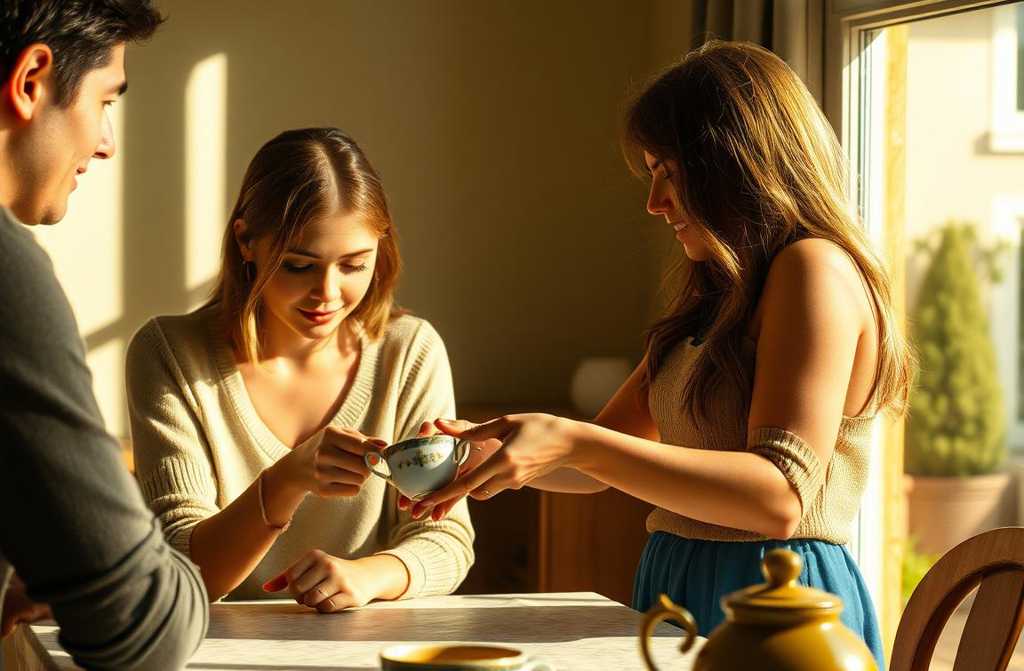
– Yeter artık susmak! – diye bağırdı Ayşe Çelik, avucunu masaya vurarak. – On yıldır senin bu davranışlarına katlanıyorum, şimdi de bu!
Zeynep Demir karşısında, gözlerini kaldırmadan oturuyordu. Çay bardağını dudağına götürürken elleri titriyordu. Aralarındaki masada buruşmuş bir hastane raporu duruyordu.
– Benden ne istiyorsun? – diye fısıldadı Zeynep.
– Gerçeği! – Ayşe yerinden fırladı, mutfakta volta atmaya başladı. – Gerçeği bilmek istiyorum! Neden sessiz kaldın? O zamanlar bildiğini niye söylemedin bana?
Zeynep bardağı masaya bıraktı. Çay. sıçradı, küçücük bir su birikintisi oluşturdu.
– Korktum da ondan, – itiraf etti. – Benden nefret edeceğinden korktum.
– Şimdi mi korkmuyorsun? – Ayşe’nin sesi öfkeden titriyordu. – Şimdi, her şeyi kendim öğrenmişken?
Alt komşu kalorifere vurdu. Ayşe tekrar sandalyeye oturdu, sakinleşmeye çalıştı. Yine de elleri titriyordu.
– Her şeyi anlat bana, – talep etti. – En başından.
Zeynep mendilinin ucuyla gözyaşlarını sildi.
– Nasıl söyleyeceğimi bilemedim. O zamanlar çok mutluydun, daha yeni evlenmiştin…
– Lafı dolandırma! Dosdoğru konuş!
– Mehmet’i o kadınla Bağdat Caddesi’ndeki kafede gördüm. Cam kenarındaki masada, el ele oturuyorlardı. Kadın hamileydi.
Ayşe, yerin ayaklarının altından kaydığını hissetti. Kocasının ihanetini biliyordu ama onları o kadar eski bir zamanda bir arada gören biri olduğunu bilmiyordu.
– Ne zamandı bu?
– Düğününüzden altı ay sonra, – Zeynep neredeyse duyulmayan bir sesle konuşuyordu. – İşten eve dönerken, rastlamıştım. Önce Mehmet olduğuna inanamadım. Sonra sokağa çıktılar, kesinlikle onu tanıdım.
– Sonra ne oldu?
– Yanlarına gitmek istedim, ama… – Zeynep kekeledi. – Onu öptü. Öyle bir öptü ki… Sevilen kadınlar öyle öpülür işte. Sonra elini karnına koydu.
Ayşe gözlerini kapadı. Anılar acıtan bir dalga gibi üzerine çöktü. Evliliklerinin o zamanlarında, o çocuk özlemi çekerken, Mehmet’in hep erteleyip durduğu günler.
– Yani o sırada başkasından çocuğu vardı öyle mi?
– Bilmiyorum. Belki. Ayşe, gerçekten sana söylemek istedim, ama…
– Ama susmayı tercih ettin. On yıl boyunca!
Zeynep arkadaşının sesindeki sertlikle irkildi.
– Bunun geçip gideceğini sandım. Aklını başı başına toplayıp sana döneceğini. Sen öyle âşıktın ki, çocuk planları yapıyor, minicik kıyafetler alıyordun…
– Minicik kıyafetler, – diye acıyla tekrarladı Ayşe. – O sırada o başkasının çocuğunu büyütüyormuş meğer.
Ayağa kalkıp pencereye yürüdü. Bahçede çocuklar kaygısızca gülüyor, salıncakların arasında koşturuyordu. Ayşe kendi çocuklarını öyle çok istemişti. Şimdi kırk üç yaşındaydı ve zaman çok azalmıştı.
– Ayşe, beni affet, – diyerek arkadaşına yaklaştı Zeynep. – Yanlış yaptığımı anlıyorum. Ama senin mutluluğunu yıkamadım.
– Nasıl bir mutluluk? – Ayşe ona döndü. – Yalancı ve aldatmaca bir hayal? Seni sevmeyen birinin ardına en güzel yıllarını harcamak mı mutluluk?
– Sana aşıktı! Sana nasıl baktığını görmüşümdür.
– Görmüş müsün? Neyi görmüşsün? Hamile metresiyle beni aldatırken mi?
Zeynep başını önüne eğdi. Arkadaşının sözleri tokat gibi geliyordu ama hak ettiğini biliyordu.
– Doğru olanı yaptığımı sanmıştım, – diye fısıldadı.
– Doğru mu? – Ayşe acı dolu bir kahkaha attı. – Doğrusu o zaman bana gerçeği söylemekti. Belki o adamın ardına on yılımı harcamazdım.
Girişte telefon çaldı. Ayşe cevap vermeye gitti, Zeynep pencerenin yanında kaldı.
– Alo? – diye yorgunca söylendi Ayşe ahizeye.
– Merhaba, ben Mehmet. Bugün işten geç çıkacağım. Akşam y
Kapı çaldığında Leyla, Serkan’ın gölgesinin eşikte titreyişini izledi, on yıll
The original story ends with Lena (now adapted to Leyla) preparing for the conversation with her husband (Sergey, now adapted to Serkan). We are to write one more sentence that finishes the story, keeping in mind the surreal and dreamlike logic as per the adaptation instructions. However, note that the story is already adapted to Turkish culture, and we must maintain that.
Since the instruction is to add only one sentence and finish the story, we must wrap it up in a meaningful way. The story has been building up to this confrontation. In the dreamlike style, perhaps we can emphasize the emotional weight or the surreal feeling of the moment.
Let’s recall the previous sentence in the adaptation (which I just translated back for clarity): “The apartment door slammed.” This indicates that Serkan has entered the building and is coming up.
We can complete it with a sentence that shows Leyla’s resolve, the weight of the ten years, or the surreal finality of the moment, in a way that fits the dreamlike atmosphere.
Considering the dreamlike imagery: perhaps we can use an image that reflects the end of silence and the heavy truth that is about to unfold.
Example: “Leyla took a deep breath, feeling as if the walls were whispering the truths that had been buried for a decade.”
However, note: the instruction says “one sentence” and finish with a dot. Also, the entire story must be in Turkish.
Since the user did not provide the entire adapted story in the last turn (it was a continuation request), I have to assume that the adapted story was already provided in a prior interaction (which I don’t have in the current context). But the user’s request is to continue with one sentence.
Given that the last line we have (from the previous part of the adapted story) is “Apartman kapısı çarptı.” (The apartment door slammed), we add one more sentence to conclude.
Let me write an ending sentence in Turkish that fits the surreal, dreamlike tone:
“Leyla, on yılın sessizliğini sonlandıracak o konuşmanın başlayacağı anı beklerken, zamanın donduğunu hissetti.”
But note: we must finish the story. This sentence is a bit open-ended. Alternatively, we can close the loop:
“Ve artık geri dönüşü olmayan bir yolun başında, gerçeklerle yüzleşme vakti gelmişti.”
However, the instruction is very clear: one sentence and then finish with a dot. We are to end the story.
Let’s decide on a sentence that brings a sense of closure, even if in a dreamlike way.
How about: “Kapı çalındığında, Leyla’nın içindeki fırtına yerini tuhaf bir sükunete bıraktı, çünkü artık her şeyin sonu başlıyordu.”
But note: we are only adding one sentence, so we must ensure it is one sentence and ends with a dot.
However, the original story ended with the door slamming in the entrance of the building (apartment building’s front door). Now we are at the moment when the husband is about to knock on their apartment door? Let’s be consistent.
Since we don’t have the exact adapted text in full, I’ll stick to the last line given: “Apartman kapısı çarptı.” (meaning the front door of the building slammed shut, indicating he’s inside the building and coming up). Then the next moment would be when he arrives at their apartment door.
So the story ends with the anticipation of his arrival at the apartment door. We can end with:
“Leyla, Serkan’ın ayak seslerini merdivenlerden yükselirken duydu ve on yılın yalanlarını sonlandıracak olan gerçek, kapıda belirmek üzereydi.”
But we are to write only one sentence. So:
“Leyla, Serkan’ın merdivenleri çıkarken çıkardığı ayak seslerini duydu ve her şeyin sonunun başlangıcı olacak o konuşma anına hazırlandı.”
Alternatively, to keep it more surreal and dreamlike:
“Leyla, zamanın yavaşladığını hissetti ve kapı zilinin çalmasını beklerken, hayatının en zor konuşmasını yapmak üzere olduğunu biliyordu.”
However, note that in the previous line we had the door of the building slamming, so we are still waiting for him to come to the apartment. We don’t have the doorbell ringing yet. So we can end with the moment he arrives at the door.
Since we must finish the story, let’s make it the final moment:
“Ve Serkan kapıyı açtığında, Leyla on yıldır biriktirdiği bütün acıları bir bakışla ortaya dökecekti.”
But we are still in Leyla’s apartment waiting, we don’t have the door opening. So we must be cautious.
Actually, the last event we know is that he is coming and the building door slammed. The next step would be him coming to their door. We can end with:
“Birkaç dakika sonra, kendi kapılarının önünde ayak sesleri durdu ve Leyla, sonu başlayacak olan her şeyi o kapının arkasında hissetti.”
But we are to write only one sentence. I think we can do:
“Leyla, Serkan’ın merdivenlerden çıkıp kapıda belireceği o son anı beklerken, on yılın ağırlığını omuzlarında taşıyordu.”
However, to make it the absolute end and with a surreal touch:
“Leyla, kapı zilinin çalmasıyla irkildi ve on yılın sessizliğinin yerini alacak konuşmanın başlamak üzere olduğunu anladı.”
But let’s decide: we are to finish the story. We can leave it as the moment the doorbell rings, because that’s the true beginning of the conversation. And that rings the finality.
So:
“Kapı zili çaldığında, on yıllık sessizlik sona erdi ve Leyla, hayatının en zor diyaloğuna başlamak üzere ayağa kalktı.”
But note: the story has already been long, and we are adding one final sentence. We must not leave it at a cliffhanger but rather as an ending. Since the original story ends with “The door slammed in the entrance”, we can add the next step as the conclusion:
“Leyla, artık başlayacak olan konuşmanın kaderini belirleyeceğini düşünerek, kapıya doğru ilerledi.”
However, the user wants one sentence, and it must be the end. So:
“Leyla, kapı kolunu çevirip açtığında, on yılın bütün yalanları gözlerinin önüne serilecek ve hayatı yeni bir sayfa açacaktı.”
That’s a bit too forward-looking. Instead, we can end with:
“Artık konuşma vakti gelmişti ve Leyla, kapıyı açmak için ayağa kalktı.”
But let me create one that is surreal and dreamlike, as requested:
“Leyla, kapı zilini duyduğunda, zamanın içinde on yıl geriye dönüp giden bir tünelde kaybolduğunu hayal etti ve gerçeklerle dolu şimdiki ana dönüp kapıyı açmak için ayağa kalktı.”
This might be too long. We can simplify:
“Kapı zili çaldığında, Leyla için on yılın sessizliği yerini sonu belli olmayan bir konuşmaya bıraktı.”
But that doesn’t finish the story; it continues it. We need an ending.
Since the original story ends with her waiting and the door slamming (in the building), and then we are to add one sentence, we can leave it as:
“Leyla, kapıda beliren gölgeyi görürken, hayatının en zor diyaloğuna hazırlandı.”
But we haven’t opened the door yet. So perhaps:
“Leyla, kapıyı açmak için koltuktan kalktı ve her şeyin değişeceğini bilerek adımlarını attı.”
This is a good closing sentence because it shows her taking action and the realization of change.
Final choice:
“


