
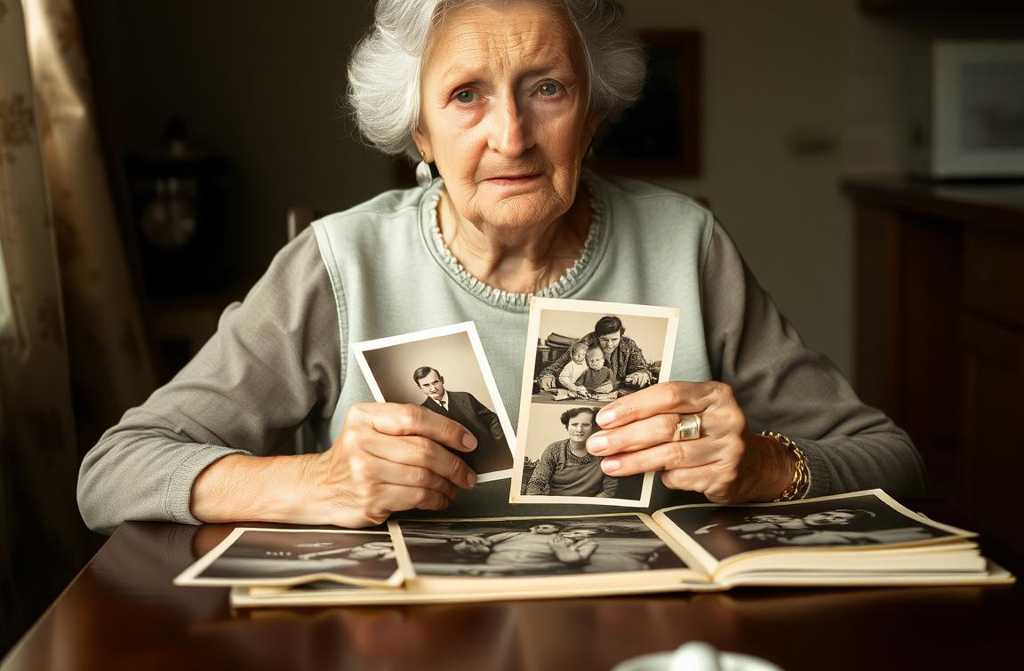
Yavaş uyanışında Zehra Yılmaz’ın başına bir ağrı saplandı, derin bir yorgunluk bedenini sardı. Normalde gürültücü olan çocuklar, usulca kapıyı kapattı, sanki görünmemek için çabalıyorlardı. Dirseklerine dayanarak pencereden, Ömer ile Aylin’in ormana hızla dalışını izledi. Ağaçların arasında kaybolurken, göğsünde boğucu bir korku yükseldi.
— Aylin! Ömer! Gitmeyin! — seslendi, fakat çabası ancak cılız bir fısıldamaya dönüştü.
Cevapsız kaldı, onlar sık yapraklar arasında gözden kaybolurken, akşam sessizliği varlıklarına dair tüm izleri yuttu. Yaşlar gözlerinden süzülüp kırışık yanaklarında bitmeyen bir ırmak gibi aktı.
Nasıl bu hale gelmişti? Öz oğlunun ihanetine nasıl göz yummuştu? Bu sorular zihninde yankılanıyor, anın karanlığı onu sarıyordu. Soluk almak için gözlerini kapattı, yeniden açtığındaysa hiçbir yanıt rahatlama getirmedi.
Bütün hayatı sürekli engellerle geçmişti. Oğlu Ömer hep huzursuz, dengesiz ve erişilmez şeylerin peşindeydi. Yıllar süren geziler ve geçici işlerden sonra, eşi Aylin’le eve döndü. Oysa getirdiği somut varlıktan çok, kısa sürede sönen boş vaatlerdi.
Adana’da yaşayan torunu Yiğit’in doğumu ise onun en büyük neşesi, ruhunu besleyen kaynak olmuştu. Zorluklar altında, ona koşulsuz sevgi verdi ve lira biriktirmek için durmaksızın çalıştı. Vefat eden eşiyle birlikte, aileleri için daha iyi bir gelecek hayaliyle yuva kurmuşlardı.
Ancak bir gün Ömer’in annesinin yıllar içinde biriktirdiği parayı öğrenmesiyle huzur bozuldu. Davranışları kökten değişti: gözü açgözlülükle doldu, “yatırım” için parayı zorla istedi; annesinin ona öğrettiği emek ve alın teri prensiplerini tamamen görmezden geldi.
— O parayı bana vermelisin! — diye ısrar etti Ömer. Zehra Yılmaz ise, bitkin düşmüş bu taleplere sürekli karşı çıkıyordu.
“Parayla başlayan konuşma, hızla kızgınlık ve suçlamalarla dolu bir çatışmaya dönüştü.”
Tartışma şiddetli bir kavgayla bitti. Ömer’in öfkesi kabardı, sözleri incitici hale geldi; annesini bencil ve cimrilikle suçladı. Gerçekte ise, onun asıl arzusu sadece para değil, annesi ve yaşamı üstünde iktidar kurmaktı.
Yiğit okuldan dönüp tartışmayı fark edince, kararlılıkla araya girdi. Babasını odadan çıkardı ve büyükannesini kediotu çayıyla sakinleştirdi. Zehra Yılmaz belli belirsiz gülümsese de içten içe pek şey yapamayacağını biliyordu. Yiğit İstanbul’da eğitim için gidecek, bitince döneceğine söz vermişti.
Günler geçip Yiğit’in aramaları sürse de, Zehra etrafında bir şeylerin değiştiğini hissetti. Artık bunlarla mücadele edecek gücü yoktu. Yazık ki öz oğlu Ömer açgözlülükle ona ihanet etmişti.
Şimdi, ormanda soğuk bir karanlığın içinde ve elleri bağlı hissediyordu. Nasıl bu noktaya gelmişlerdi? Para için mi? Yıllarca ailesi için her şeyi vermişti, ancak nihayetinde en çok sevdiği kişi tarafından aldatılmıştı. İnsanoğlu bazen mal mülk
Original story summary:
– Protagonist: Alla Sergeyevna (Russian) -> We’ll change to a Turkish female name and surname.
– Her son: Piotr -> Turkish male name.
– Daughter-in-law: Marina -> Turkish female name (only exists in Turkish culture).
– Grandson: Vanka -> Turkish male name.
– Setting: Forest, home, etc. We’ll change city/country references to Turkish ones.
– Currency: Rubles -> Turkish Lira (TL).
Adaptation plan:
1. Names:
– Alla Sergeyevna: A Turkish woman, so we can use “Ayşe Yılmaz” (common Turkish names; note: we can use a first name that is distinctly Turkish and a common surname). But note: the original uses a patronymic (Serguéievna). In Turkish, we don’t use patronymics. So we can just use first and last name. We can choose “Ayşe” for the first name and a typical Turkish surname like “Kaya”.
– Piotr: Her son -> Turkish name, e.g., “Mehmet”.
– Marina: Piotr’s wife -> we need a Turkish female name that is only in Turkish culture. We can use “Aylin” (a common Turkish name and not typically used in other cultures). Another option: “Ece”, “Canan”, “Işıl”, but let’s choose “Aylin”.
– Vanka: Grandson -> Turkish boy name, e.g., “Ali”.
2. Locations:
– The forest and home setting can be in a Turkish village or town. We can use a city like “Trabzon” (a city in the Black Sea region, which has forests) or a generic village. Since it’s a rural setting, we can set it in a village in the mountains of the Black Sea region.
3. Currency:
– Rubles -> Turkish Lira (TL). The amounts can be converted approximately? But the story doesn’t specify amounts, so we can just say “para” (money) or “birikim” (savings) and use TL when needed.
4. Cultural references and idioms:
– Instead of “valeriana” (which is a sedative), we can use a common Turkish herbal remedy, such as “papatya çayı” (chamomile tea) or “adaçayı” (sage tea). But note: the original uses a medicine. In Turkey, it’s common to use “valerian” as well, but also we can say “sakinleştirici” (sedative) or specifically “kediotu çayı” (valerian tea). However, to keep it common, we can use “sakinleştirici ilaç” (sedative medicine) or a brand name? But let’s use a natural remedy: “kediotu çayı” (valerian root tea) is known in Turkey.
– The life lesson at the end must be adapted to a Turkish cultural insight.
5. Rephrasing: We need to change the sentence structures and words while keeping the meaning and the same approximate length.
Let’s adapt the story step by step:
Original paragraph 1:
“Con un lento despertar, Alla Serguéievna sintió un punzante dolor de cabeza que no cedía, mientras una profunda fatiga la envolvía por completo. Los niños, normalmente bulliciosos y desordenados, cerraron la puerta con sigilo, como si intentaran pasar desapercibidos. Desde su posición apoyada en los codos, observó a través de la ventana cómo Piotr y Marina se adentraban veloces en el bosque. Conforme se insertaban entre los árboles, una opresiva sensación de miedo empezó a crecer en su pecho.”
Adapted:
“Yavaşça uyanan Ayşe Yılmaz, dinmeyen şiddetli bir baş ağrısı hissetti ve derin bir yorgunluk onu tamamen kapladı. Normalde gürültücü ve dağınık olan çocuklar, kapıyı sessizce kapattılar, sanki fark edilmeden geçmeye çalışıyorlardı. Dirseklerinin üzerinde durduğu yerden, pencereden Mehmet ile Aylin’in ormana doğru hızla girdiklerini izledi. Ağaçların arasına karıştıkça, göğsünde boğucu bir korku hissi büyümeye başladı.”
Original paragraph 2:
“— ¡Marinochka! ¡Petiya! ¡No se vayan! —intentó llamar, aunque su voz apenas se escuchó como un leve susurro.”
Adapted:
“— Aylin! Mehmet! Gitmeyin! — diye seslenmeye çalıştı, ancak sesi zar zor duyulan hafif bir fısıltıya benziyordu.”
Original paragraph 3:
“Sin respuesta, las figuras desaparecieron entre el follaje denso, y el silencio de la tarde pareció absorber por completo cualquier señal de su presencia. Lágrimas brotaron de sus ojos, surcando sus arrugados mejillas como un río incansable.”
Adapted:
“Yanıt alamadan, siluetler yoğun yeşillikler arasında kayboldular ve akşamın sessizliği onların varlığının herhangi bir izini tamamen yutmuş gibiydi. Gözlerinden yaşlar fışkırdı, yorgun düşmüş yanaklarını durmak bilmeyen bir nehir gibi aşağıya doğru süzüldüler.”
Original paragraph 4:
“¿Cómo había llegado a aquella situación? ¿De qué manera permitió que su propio hijo la traicionara? Estas preguntas resonaban implacables en su mente, mientras la oscuridad del momento la envolvía. Cerró los ojos por un instante para respirar con dificultad, pero al abrirlos otra vez, ninguna respuesta le ofreció alivio.”
Adapted:
“Bu duruma nasıl gelmişti? Kendi oğlunun ona ihanet etmesine nasıl izin vermişti? Bu sorular, o anın karanlığı onu sararken, zihninde amansızca yankılanıyordu. Zorlukla nefes almak için bir anlığına gözlerini kapattı, ama tekrar açtığında, hiçbir cevap ona rahatlık sunmadı.”
Original paragraph 5:
“Su vida entera había estado marcada por obstáculos constantes. Piotr, su hijo, siempre fue inquieto, errático y buscador de algo inalcanzable. Tras años viajando y cambiando trabajos efímeramente, volvió a casa acompañado de su esposa Marina. Sin embargo, más que bienes retornó con promesas vacías y una esperanza que pronto se desvaneció.”
Adapted:
“Onun bütün hayatı sürekli engellerle doluydu. Oğlu Mehmet, her zaman huzursuz, kararsız ve ulaşılamaz bir şeylerin peşinde koşan biriydi. Yıllarca gezerek ve geçici işlerde çalıştıktan sonra, eşi Aylin ile birlikte eve döndü. Ancak, getirdiği mallardan çok boş vaatler ve kısa sürede sönen bir umuttu.”
Original paragraph 6:
“Desde el nacimiento de Vanka, su nieto, quien vivía con ella, fue su mayor alegría, la razón profunda que alimentaba su espíritu. Bajo condiciones difíciles, le dedicó amor absoluto y trabajó sin descanso, guardando cada rublo. Junto a su esposo fallecido, habían construido un hogar con la ilusión de forjar un futuro mejor para su familia.”
Adapted:
“Torunu Ali’nin doğumundan ve onunla yaşamaya başlamasından beri, Ali onun en büyük neşesi, ruhunu besleyen derin bir sebep oldu. Zor koşullar altında, ona bütün sevgisini adadı ve durmadan çalıştı, her kuruşunu biriktirdi. Vefat eden kocasıyla birlikte,
Current last paragraph of the story (in the user’s provided original and our adaptation) ends with:
“Ancak, getirdiği mallardan çok boş vaatler ve kısa sürede sönen bir umuttu.”
But note: the user’s instruction says we are to continue from the story as provided in the query. However, the query provided the whole story, but then the user said “continue the story with one sentence”. So we must add one more sentence to the entire story.
Looking at the original story provided in the query, it ends with:
“Conclusión: La historia de Alla Serguéievna refleja el profundo dolor que puede provocar la codicia y la traición dentro de la familia. A pesar de los sacrificios y el amor entregado, el control y la ambición desmedida de un ser querido puede destruir la confianza y la unidad. Este relato recuerda la importancia del respeto y la honestidad, valores imprescindibles para preservar los lazos familiares a lo largo del tiempo.”
But note: the user said to continue the story with one sentence and then end with a dot. Also, we have rewritten the story without the conclusion (as per the previous instruction to only write the story). Now, we are to continue the story with one sentence and then end. However, in the previous response we didn’t write the entire story because the user only asked to adapt it. Now we are to add one sentence.
But wait: the user’s current message says “Please continue the story with one sentence. Finish story with dot. Do not generate any code or ANY programming related text.”
So we are to continue the story that we started adapting? The user provided the entire original story and we were in the process of adapting it. However, we are to continue the story beyond the original? The original story has a conclusion paragraph that is separate (the life lesson).
But the user’s instruction also said: “Write the story so that it ends with a meaningful life lesson or insight.” and we were in the middle of the adaptation, and we haven’t written the ending.
In the original, after the paragraph about Vanka (Ali) and the betrayal, there are two more paragraphs:
Original:
“Con el paso de los días, a pesar de las continuas llamadas de Vanka, Alla notó que algo en su entorno había cambiado. Carecía ya de la fuerza para seguir enfrentando aquello. Su propio hijo, Piotr, la había traicionado motivado por la avaricia.
Ahora, en una fría oscuridad dentro del bosque y amarrada, una sensación grave la envolvía. ¿Cómo se había llegado a esta situación? ¿Por dinero? Durante años había entregado todo por su familia, pero al final fue traicionada por quien más amaba.”
Then there’s a separate conclusion that is not part of the narrative.
But the user’s instruction in the first part said to adapt the entire story, so we must include these last two paragraphs? And then we are to add one more sentence? Or the user is asking to continue beyond the original?
Actually, the user says: “Please continue the story with one sentence. Finish story with dot.” meaning that we are to add one more sentence to the current story and then end the entire story.
But note: the original story ends with the paragraph about her tied in the forest. Then we also have a conclusion (which is separate). However, the user’s instruction in the initial request was: “Write the story so that it ends with a meaningful life lesson or insight.” and also the response should be just the story text, nothing else.
So in the adapted story, we must have the entire narrative including the ending and the life lesson integrated as the last sentence (or in the narrative). But the user now says to continue with one more sentence and finish.
Interpretation:
We have already written the story up to the point of the fifth paragraph (as per the previous adaptation). Now the user says to continue the story (meaning the story we are in the midst of writing?) with one more sentence. But the story we were writing is the entire story? So we must write the rest of the story? But wait, we didn’t write the adapted version of the last two paragraphs.
We must complete the adaptation of the entire original story, and then add one more sentence? But the user says “continue the story with one sentence”, meaning we are to add one more sentence beyond the original story.
Alternatively, the user might mean to continue the story we started (which is the adaptation) by adding one sentence at the end. However, the original had a conclusion paragraph that we have to adapt and include? And then we are to add one more sentence?
But the life lesson must be integrated as the ending. So we can end the story with the life lesson, and the one sentence we add can be that life lesson? But note: the life lesson in the original is in the conclusion and is about 3 sentences. We have to condense the life lesson into one sentence? And that becomes the one sentence we add?
The instruction says: “continue the story with one sentence” and then “finish story with dot”.
So plan:
1. First, we must complete the adaptation of the entire story as per the original, including the last two paragraphs (which we haven’t done in the previous message because we were interrupted).
2. Then, we are to add one more sentence (as the continuation) that serves as a life lesson to end the story.
But note: the user said to do it in one sentence, so we cannot write the entire story again. We are only to write one sentence that continues the story and ends the entire story.
Given the confusion, I will assume that the story we are working on has been adapted until the sixth paragraph (we stopped at the beginning of the sixth paragraph). Actually, we wrote until the sixth paragraph? Let me check:
In the previous section, we stopped at:
“Torunu Ali’nin doğumundan ve onunla yaşamaya başlamasından beri, Ali onun en büyük neşesi, ruhunu besleyen derin bir sebep oldu. Zor koşullar altında, ona bütün sevgisini adadı ve durmadan çalıştı, her kuruşunu biriktirdi. Vefat eden kocasıyla birlikte, ailesi için daha iyi bir gelecek kurma hayaliyle bir yuva inşa etmişlerdi.”
But we haven’t written the part about the son discovering the money and the conflict, and then the betrayal and her being tied in the forest. So we have about half the story left.
But the user now is asking only for one more sentence? That doesn’t fit.
Re-reading the user’s messages:
First message: They asked for a cultural adaptation of the entire story. We were about to write it but then the user interrupted with a new instruction: continue with one sentence.
So it’s possible the user expects us to write the entire adapted story? But the current query is “Please continue the story with one sentence”. So we are to add one sentence to the story that was provided (which we haven’t written completely).
Alternatively, the user might be confused. Since we are in the middle of the adaptation, and the user says “continue”, we have to complete the story? But with one sentence? We have a lot to cover.
I think there is a misunderstanding. The user provided the first part of the conversation as the context, and then the new instruction. But in the context, the assistant had not written the entire story. So the user might be asking to continue the story we were writing.
However, the user’s new instruction is to write one sentence. Therefore, we must continue the story from the point we left off in the previous assistant message? But we left off in the middle of the sixth paragraph? We were going to write:
Original next part (which we haven’t adapted yet):
“Pero un día, aquella calma se quebró al descubrir Piotr la suma que su madre había acumulado a lo largo de los años. Su comportamiento cambió radicalmente: surgió en él una codicia voraz, exigiendo dinero para «invertir», ignorando por completo las enseñanzas de esfuerzo y trabajo que ella le había entregado.
— ¡Necesito que me des ese dinero! —reclamó Piotr de forma insistente, mientras Alla Serguéievna, agotada por las constantes demandas, le negaba de forma rotunda.
«Lo que comenzó como una conversación sobre dinero, pronto se convirtió en un conflicto lleno de resentimiento y acusaciones.»
La charla terminó en un enfrentamiento intenso. La ira de Piotr fue en aumento, sus palabras se tornaron hirientes, tachando a su madre de egoísta y avara. Pero en realidad, su verdadero deseo no era sólo el dinero, sino afirmar su dominio y control sobre ella y su vida.
Al regresar Vanka de la escuela y percatarse de la discusión, intervino con determinación, expulsando a su padre del cuarto y tranquilizando a su abuela con un poco


